Existing Conditions Surveys
Cannabis Dispensary & Cultivation Surveys
Electrical capacity, dehumidification, odour discharge and limited-access separation — established before the licence clock starts running.
Cannabis fit-outs run against a licence deadline, and that is what makes the building diligence so consequential. The programme cannot absorb a three-month utility upgrade discovered after the lease is signed, and it cannot absorb a mechanical redesign found when the ceiling comes down.
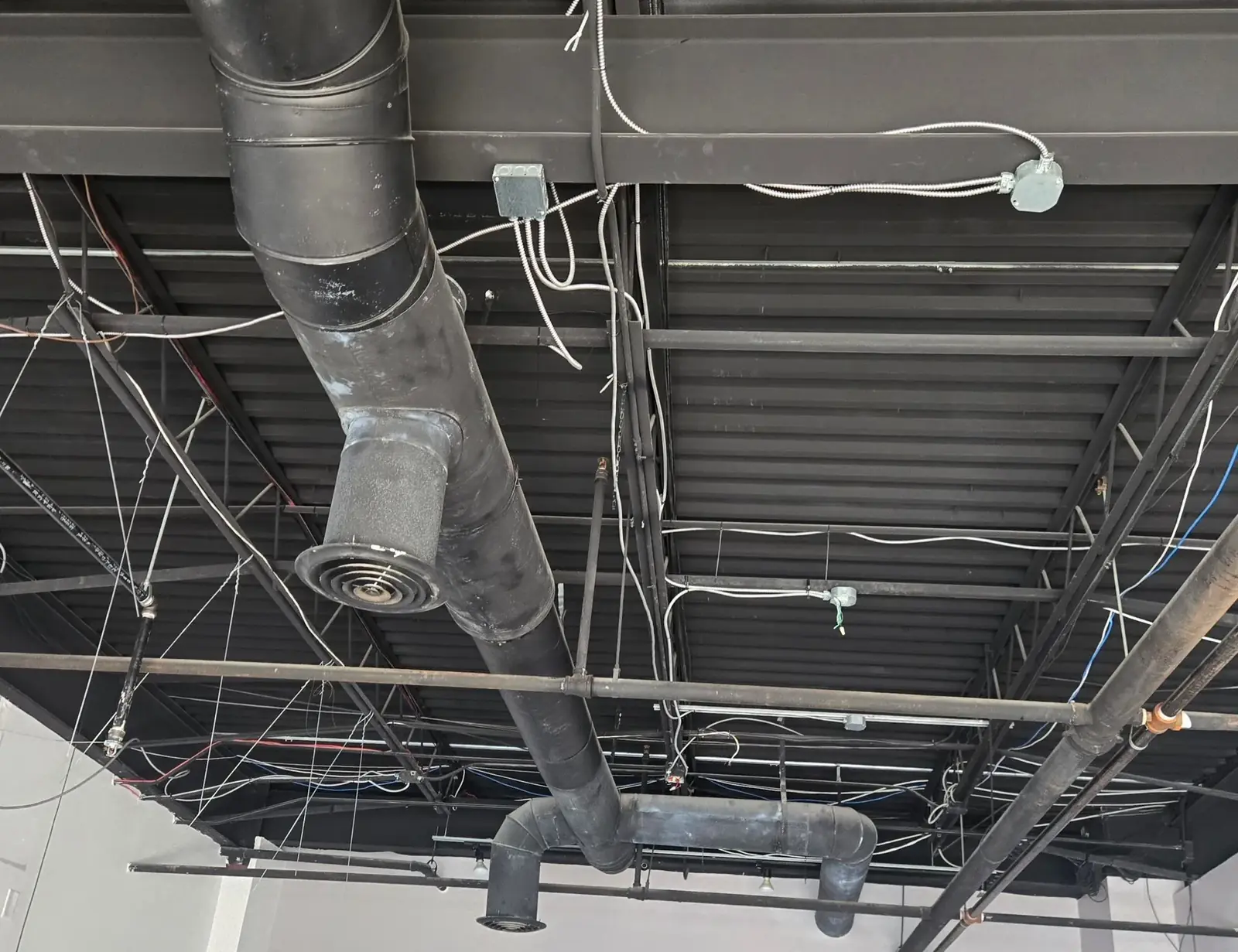
The recurring failures are consistent across states. The incoming electrical service will not carry the lighting and dehumidification load. The landlord will not permit the roof penetration the odour discharge needs. The existing demise cannot be arranged into compliant limited-access areas. None of those appear on a leasing plan, and all of them are answerable in a day on site.
We record the unit as it stands, reconcile it against whatever drawings exist, and give your architect, licensing consultant and contractor one agreed set of facts. We record; we do not determine compliance.
What Goes Wrong
Eight things that decide whether a unit can carry a licensed operation.
Every one of these has cost somebody money on a job we have walked. They are what a drawing set will not tell you and a photograph will not either.
Electrical service against the real load
Lighting, dehumidification and HVAC in a cultivation space, and security, vault and display load in a dispensary, routinely exceed what a second-generation unit was built for. The deciding number is the incoming service and transformer capacity, not the spare ways on the panel - and a utility upgrade is the longest lead item on the whole programme.
Dehumidification and latent load
Cultivation and processing generate a latent load ordinary comfort cooling was never sized for, and getting it wrong produces mould rather than yield. Whether existing plant can be reused, supplemented or must be replaced is the single biggest mechanical cost fork.
Odour control and the neighbours
Carbon filtration and negative pressure are usually a licence condition and always a neighbour condition. The constraint is normally the discharge route and the landlord's willingness to permit a roof penetration, not the equipment itself.
Security fabric and camera coverage
State rules typically dictate camera coverage, retention, vault construction, access control and alarm provision. What already exists in the unit, what can be reused, and where the cabling can actually run all change the cost - and the plan has to survive a regulator reading it.
Separated and limited-access areas
Licensed premises need defined limited-access areas with controlled circulation between them. Whether the existing demise, core and egress arrangement allows that separation is frequently what makes a candidate unit workable or not.
Waste and water
Cultivation and processing bring drainage, water treatment and waste-disposal requirements that a retail shell does not have. Existing drainage capacity and the route back to the building stack tend to decide what is achievable.
Structure, floor loading and benching
Multi-tier benching, rolling racks and processing equipment concentrate load in ways a retail slab may not carry, particularly on upper floors. Slab construction and capacity are worth establishing before the grow layout is designed.
Occupancy classification and egress
A change of use to cultivation or processing can shift the occupancy classification, which changes exit requirements, separation and sometimes sprinkler design. Finding that late in a licence-deadline programme is the worst possible timing.
If You Are Running a Portfolio
Multi-state operators inherit buildings assembled, not designed.
Cannabis portfolios are almost always acquired rather than built - licences bought with premises attached, units taken quickly in a competitive market, sites fitted out by whoever was available at the time. Very few come with a usable record of the building.
That makes portfolio planning guesswork. Which sites can support expanded cultivation without a service upgrade? Which have security fabric that will survive the next inspection? Which are carrying mechanical plant that is quietly failing? A consistent survey across the estate answers those in one exercise.
It also gives a buyer or lender something they usually cannot get in this sector: an independent, structured record of what the physical assets actually are.
Typical scope. Dispensaries and candidate units are usually captured in a single day; cultivation and processing facilities are scoped to the building. Operating sites are surveyed out of hours where required, and everything is handled confidentially. Travel is included in the project price across the US and Canada.
What Comes Back
The same record at every location.
A navigable record of the space
A measured digital twin your architect, MEP consultant and GC can all walk without another site visit, plus the measured mesh underneath it.
A written conditions report
Findings prioritised, with the capacity and reuse questions answered and the open items named rather than left to be discovered on site.
Equipment and services schedules
Makes, models, plate data, panel schedules and service sizes, photographed and recorded so nothing rests on somebody's recollection.
Everything lands in ScopeWalk, so a portfolio stays in one structured place rather than in a folder of files per site. See a complete sample deliverable or the buildings we have been inside.
Surveyed Locations
A sample of the buildings we’ve been inside.
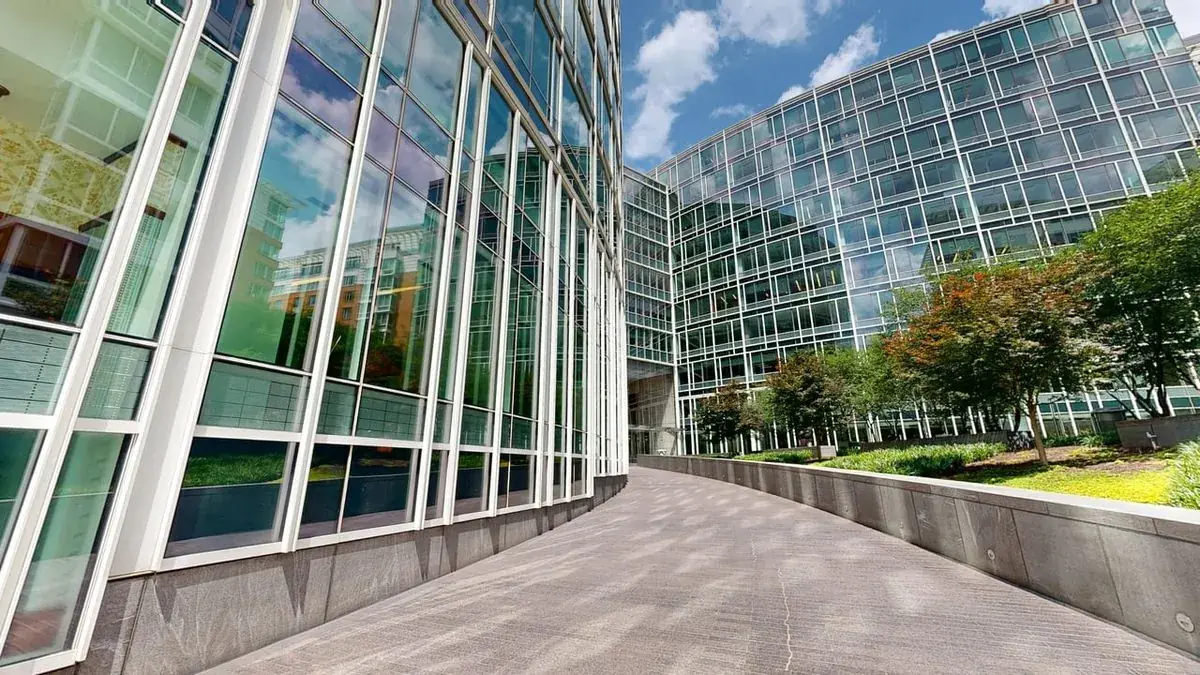
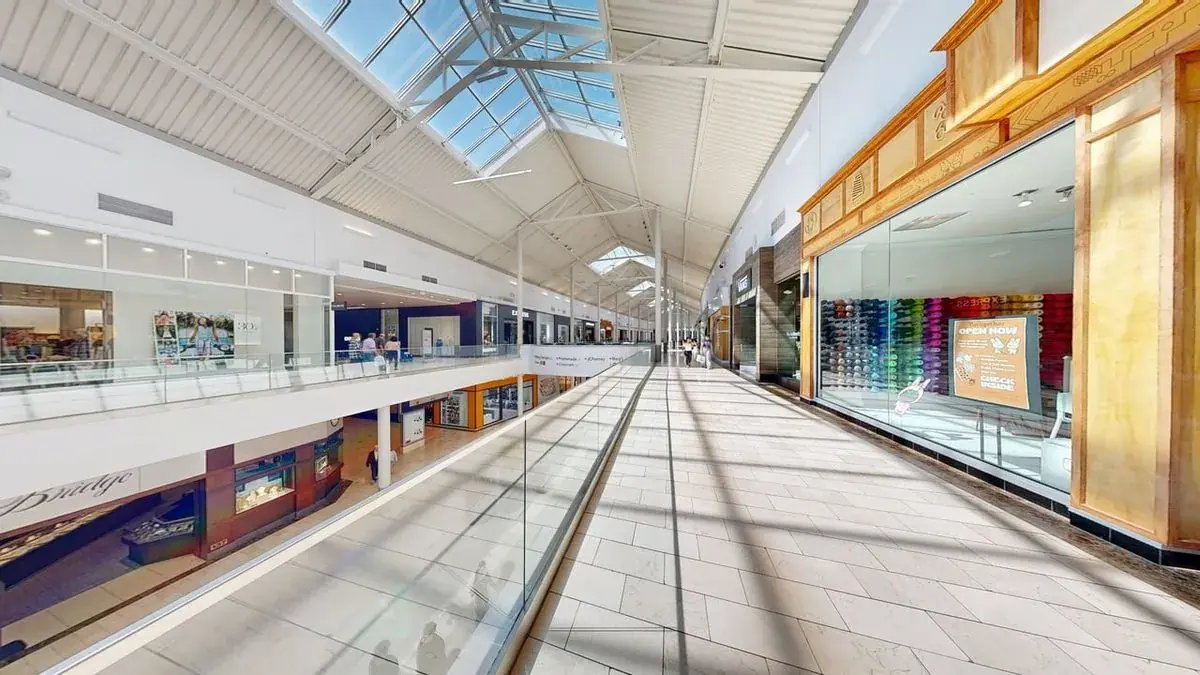
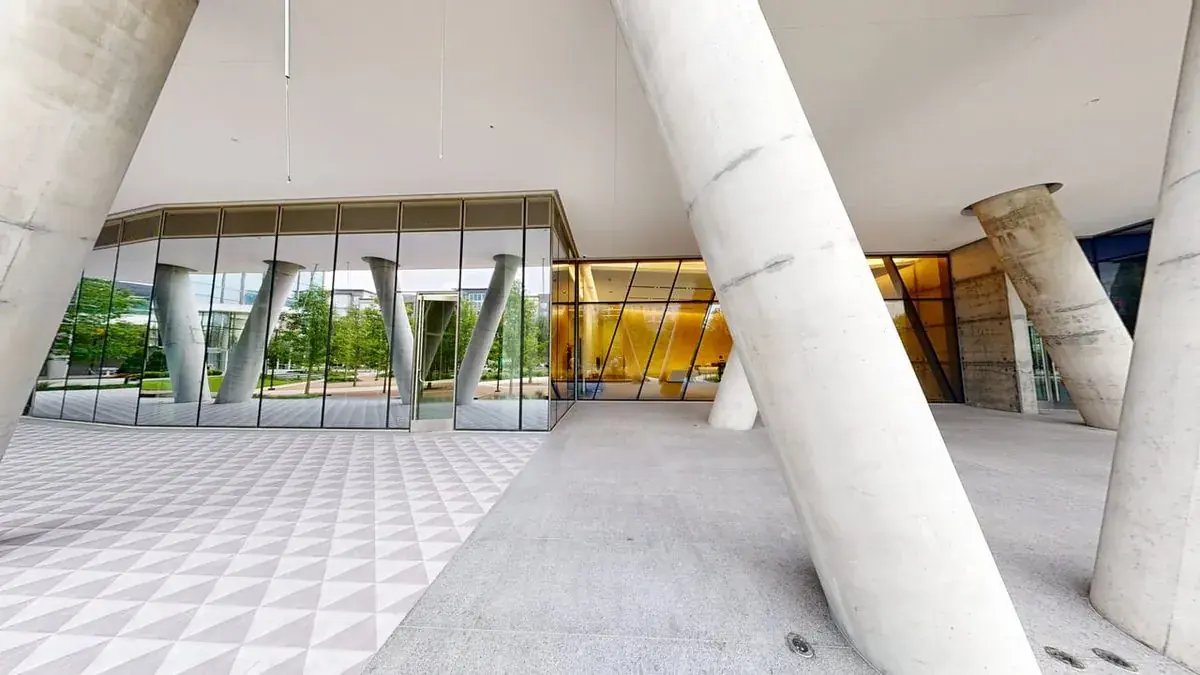
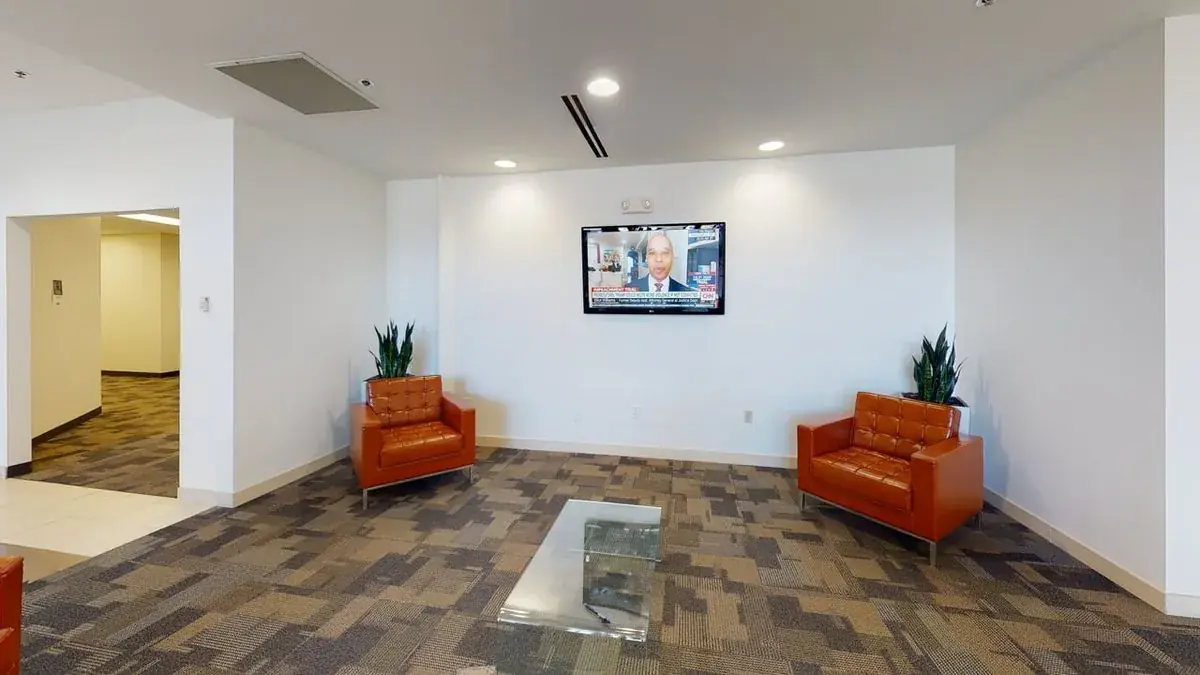
Hundreds of commercial locations documented across the United States. 49 of them are shown here - retail, office, mall and transport - named by centre or street, never by occupier.
Questions We Get Asked
Before you send us a site list.
Do you survey dispensaries as well as cultivation and processing? +
Both. A dispensary is closer to a small-format retail fit-out with a heavy security and separation overlay; cultivation and processing are effectively light industrial in a commercial shell. The survey adapts, and many operators need both across one portfolio.
Can you survey before we commit to a site? +
That is where this matters most, because licence timetables leave no room to discover that the incoming electrical service will not support the plan. A pre-lease survey answers the power, mechanical, odour-discharge and separation questions while you can still walk away.
Do you advise on licence compliance? +
No. Rules vary by state and change often, and that determination belongs to your licensing consultant and architect. We record the physical facts they need, name clearly what could not be established, and do not guess at a compliance position.
Is discretion an issue? +
We treat every site as confidential, publish nothing that identifies an occupier, and provide records only to you. Our published gallery names locations by street or centre and never by tenant, for exactly this reason.
Can you handle a multi-state portfolio? +
Yes. We work across all fifty US states and every Canadian province with travel included in the project price, and every site comes back in the same structure - which matters more here than most sectors, because portfolios are usually assembled rather than built.
And Then Price It
We can price the work as well as document it.
Once the facility is recorded, the next question is what the fit-out costs — and we can price it from the same record. Send the package to our Estimating Desk and it comes back as a priced, machine-audited, white-labeled bid under your own name — usually inside two working days.
No other estimating bureau can survey the building, and no other survey firm can price the work. On a renovation we do both from the same record.
Send us the site list.
Tell us the locations, the approximate sizes and what you are trying to decide. We come back within one business day with a scope recommendation and an all-in quote — travel included, whether that is one site or forty.
Start a Project